Resting ECG: Essential Heart Health Diagnostics
At The Heart Clinic, our cardiology experts are dedicated to your cardiovascular care. Our advanced cardiac testing, including the essential Resting Electrocardiogram (ECG), offers vital cardiac diagnostics to assess your heart health. This crucial heart test provides a detailed look at your heart's electrical activity, allowing our cardiac care specialists to deliver specialist heart care and identify potential issues early. Our comprehensive heart health services ensure you receive the best cardiology support.
Our cardiology services are designed to address a range of symptoms. If you experience palpitations, chest pain, dizziness, or shortness of breath, our heart health diagnostics can provide clarity. With our heart health tests, our cardiologist can offer effective cardiac health solutions and detailed cardiac health reports, ensuring your long-term heart health is prioritised.
What is a Resting ECG?
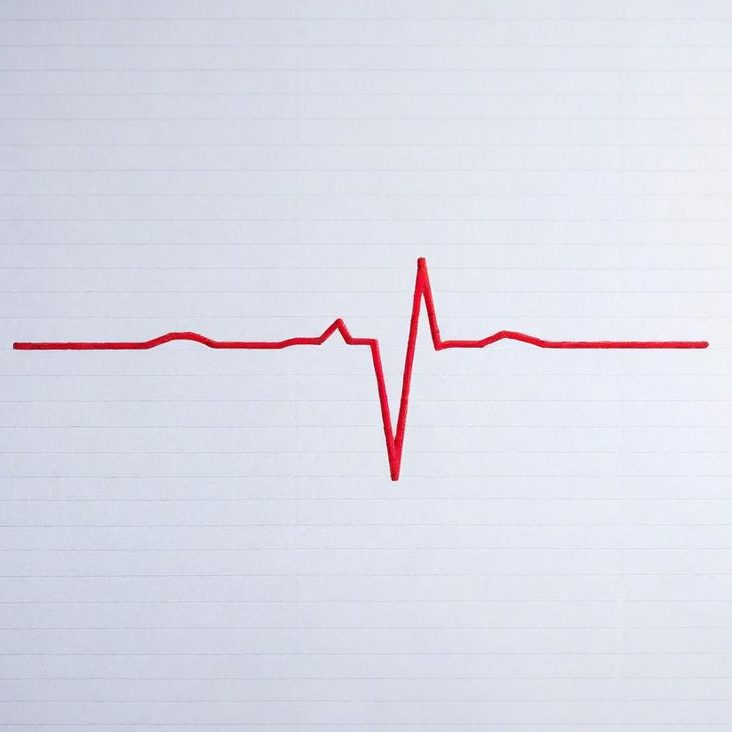
A Resting ECG is a non-invasive test that measures the heart’s electrical signals while you are at rest. This helps health professionals understand the heart's rhythm, identify any abnormalities, and assess overall heart function. The test provides valuable insights into your cardiac health, assisting our cardiologists in diagnosis and treatment planning.
Preparing for Your ECG
A Resting ECG is a non-invasive test that measures the heart’s electrical signals while you are at rest. This helps health professionals understand the heart's rhythm, identify any abnormalities, and assess overall heart function. The test provides valuable insights into your cardiac health, assisting our cardiologists in diagnosis and treatment planning.
During the Test
During the Resting ECG, small electrodes are placed on your chest, arms, and legs. These electrodes will detect the electrical activity of your heart. The test itself is quick, usually lasting around 10-15 minutes. You will be asked to lie still while the ECG machine records your heart's activity. There is no discomfort during this procedure.

Post-Test Guidelines
After the test, you can resume your normal activities immediately. Your electrocardiogram data is safely recorded and reviewed by our experienced clinicians. There are typically no side effects to worry about following the test. You may discuss any immediate questions you have with our staff.
Your ECG Report
Following the test, your results will be interpreted by one of our cardiologists. A comprehensive report will be prepared, summarising the findings of the ECG. You will receive this report during a follow-up consultation, where our specialist will explain the results and discuss any recommended actions or further tests, if necessary.
Why Choose Us
At The Heart Clinic, we are committed to providing compassionate care through advanced diagnostic testing. Our experienced team combines state-of-the-art technology with clinical expertise to ensure you receive the best possible care for your heart health. Schedule your Resting ECG today and take the first step towards a healthier heart.
Reporting & Clinical Oversight
Our Heart Clinic delivers comprehensive cardiac health reports and advanced cardiac testing, offering clear, descriptive cardiac diagnostics for clinicians to manage ongoing cardiovascular care. Our cardiology experts ensure that any significant findings from heart health diagnostics are promptly escalated to our Consultant Cardiologist for specialist heart care and oversight. As leading cardiac care specialists, we prioritise your heart health. Patients can also request, for an additional fee, a detailed report from a Consultant Cardiologist for our cardiology services, providing deeper insights into their heart health tests.
Why Might I Need an Exercise ECG?
Your cardiologist may recommend an Exercise ECG if you are experiencing symptoms that only occur during physical activity. These symptoms include chest pain or discomfort during exertion, shortness of breath when walking uphill or climbing stairs, unexplained fatigue or decreased exercise tolerance, heart palpitations during exercise, or dizziness and light-headedness during activity.
This test is also valuable for diagnosing coronary artery disease by revealing reduced blood flow to the heart muscle during stress. It helps assess heart rhythm disorders by identifying arrhythmias that only occur with increased heart rate. If you have previously had cardiac treatment such as stents or bypass surgery, an Exercise ECG can evaluate whether these interventions are working effectively. It is also used for pre-operative assessment to ensure cardiac fitness before major non-cardiac surgery and for prescribing safe exercise levels during cardiac rehabilitation.
How is the Test Performed?
The Exercise ECG uses a treadmill to simulate physical stress while monitoring your heart's response. The test begins at a slow walking pace and gradually increases in incline and speed every three minutes. This progression continues from a simple walk to a potential light jog depending on your fitness level.
The goal is to reach your maximum target heart rate, which is calculated as 220 minus your age. For example, if you are 50 years old, your target would be approximately 170 beats per minute.
However, we individualise targets based on your fitness level, medical history, and medications. You will not be asked to do anything that feels too difficult for you.
Throughout the test, advanced equipment tracks your blood pressure and ECG patterns continuously. This ensures comprehensive cardiac assessment and guarantees your safety during the procedure. After reaching the target heart rate or maximum exertion, we continue monitoring during a cool-down period until your heart rate normalises.
Our consultant cardiologist provides a detailed report after the test, highlighting any abnormalities observed during the stress test.
Preparing for Your Exercise ECG
To ensure accurate results and your safety during the test, please follow these guidelines carefully.
Four to 24 Hours Before: Avoid caffeine for at least four hours before your appointment. This includes coffee, tea, energy drinks, chocolate, and cola. Do not smoke or vape for at least eight hours prior to the test. Avoid heavy meals for three hours before testing, though you may drink water. Avoid alcohol for 24 hours prior as it can affect heart rhythm.
Medications: Continue all prescribed medications unless specifically instructed otherwise by your referring doctor or our cardiologist. Bring a complete list of your current medications to the appointment. It is particularly important to inform us if you take beta-blockers, calcium channel blockers, or digoxin, as these may need to be temporarily withheld before the test.
What to Bring and Wear: Wear comfortable gym clothes and proper trainers, as these are essential for treadmill safety. Bring your driving glasses if you wear them. Bring any previous ECG results or cardiac reports for comparison. A water bottle is recommended, though we provide water.
What to Expect During the Test
Before Exercise: Small electrodes will be attached to your chest, arms, and legs to monitor electrical activity. A blood pressure cuff will be placed on your arm. Baseline readings will be taken while you rest to establish your normal heart function.
During Exercise: You will walk on a treadmill that gradually increases in speed and incline every three minutes. Blood pressure will be measured at regular intervals throughout. You will be encouraged to continue until reaching your target heart rate, but you can stop anytime if you feel uncomfortable, experience chest pain, or become too short of breath.
After Exercise: You will continue walking slowly during a cool-down period while monitoring continues until your heart rate returns to near baseline. Most patients can resume normal activities immediately after the test.
The entire appointment typically lasts 45 to 60 minutes, including preparation, the exercise phase, and recovery monitoring.
Frequently Asked Questions
How is an Exercise ECG different from a standard ECG?
While a standard Resting ECG measures your heart's electrical activity at rest, an Exercise ECG evaluates how your heart performs under physical strain. The test can reveal issues that only appear when your heart is working hard, such as exercise-induced angina or arrhythmias that do not show up during a resting test.
Is the Exercise ECG safe?
Yes, Exercise ECGs are very safe procedures. You will be continuously monitored by trained clinical staff throughout the test. We track your blood pressure, heart rate, and ECG patterns in real-time. The test can be stopped immediately if you experience any discomfort, dizziness, or chest pain. Emergency equipment and medications are available on-site, though complications are extremely rare.
What if I cannot walk on a treadmill?
If you have mobility issues that prevent treadmill use, we can sometimes perform the test using a stationary exercise bike. Please inform us when booking if you have any physical limitations, and we can discuss alternative options.
Can I drive after the test?
In most cases, yes, you can resume normal activities including driving immediately. However, if you experienced chest pain, significant arrhythmia, or other concerning symptoms during the test, we may advise you to avoid driving until reviewed by the cardiologist. This precautionary measure applies only in specific circumstances.
When will I receive my results?
Immediate verbal feedback is provided by the supervising clinician immediately after the test. A detailed written report from our Consultant Cardiologist is typically available within 24 to 48 hours and will be sent directly to your referring doctor or provided to you during a follow-up consultation.
What happens if the test shows abnormalities?
If we detect any irregularities during your Exercise ECG, our Consultant Cardiologist will review the findings and recommend appropriate next steps. This may include additional testing such as an echocardiogram or coronary angiogram, medication adjustments, or lifestyle recommendations. We provide comprehensive cardiac care pathways and can arrange any necessary follow-up investigations at our clinic.
Can I eat before the test?
We recommend avoiding heavy meals for at least three hours before your appointment. Do not consume caffeine for at least four hours prior. You may drink water.
Results and Next Steps
Once your test is complete and your heart rate has returned to normal, you can go home. The results will be reviewed by our Consultant Cardiologist who will prepare a comprehensive report. This report typically takes 24 to 48 hours to complete and will be sent to your referring doctor or made available during your follow-up consultation.
Many people feel worried or anxious while waiting for results. There is no right or wrong way to deal with these feelings. Continuing with everyday activities such as going to work or spending time with family can be a welcome distraction. You may find it helpful to talk with your partner, family, or a close friend during this time.
If the results are normal, this provides reassurance that your heart is coping well with physical stress. If abnormalities are detected, we will explain the findings clearly and discuss the most appropriate treatment pathway or further investigations needed.